
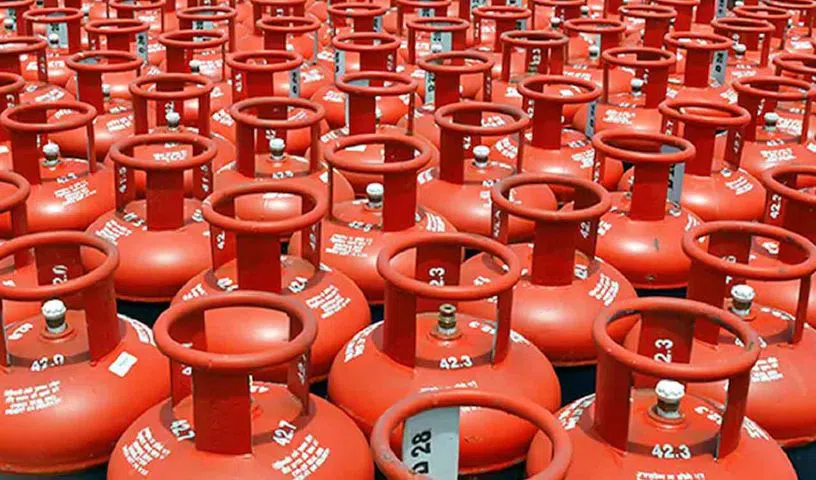
The government has for the first time fixed maximum cooking gas LPG production targets for individual public- and private-sector refineries and upstream companies, as it seeks to build a domestic supply buffer after the West Asia conflict exposed the country’s vulnerability to disruptions in imported cooking gas.
The Petroleum and Natural Gas Ministry, in an order issued on August 13, has specified maximum LPG production levels for 21 refineries and upstream companies, with combined production potential set at 63,810 tonnes a day — more than double the domestic LPG output in the fiscal year ended March 31, 2026 and about 70 per cent of the country’s daily consumption.
The production limits will kick in whenever there is a supply constraint.
The lion’s share of the planned output has been set from Reliance Industries Ltd’s older refinery, which would have to produce up to 18,000 tonnes a day of LPG, according to the order.
India consumed 33.2 million tonnes of LPG in the 2025-26 fiscal year (about 91,000 tonnes per day). Of this, 13.1 million tonnes a year was produced locally (about 35,900 tonnes a day) while the remaining 21.3 million tonnes per annum (about 58,400 tonnes a day) was imported.History
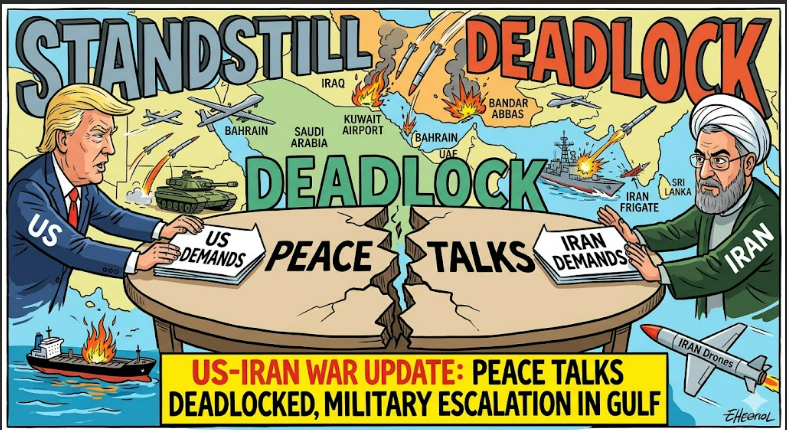
This high import dependence of over 64 per cent left the country exposed when the start of the Iran war effectively shut the Strait of Hormuz, the narrow sealane through which India got 90 per cent of its imports from nations like Saudi Arabia.
With supplies impacted, the government in March ordered refineries to divert streams used for petrochemicals production to maximise LPG output.
It also initially stopped sales to industrial and commercial users and thereafter gradually scaled it up. For domestic households, periodicity of booking a refill was increased, and they were encouraged to shift to piped natural gas, whose supplies were not so severely impacted due to the war.
Domestic production was ramped up to about 55,000 tonnes a day at the height of the crisis, but the emergency orders asking refiners to maximise output were gradually withdrawn after supplies eased from mid-June.
The new order goes further than the emergency one issued during the West Asia crisis by creating facility-wise production benchmarks and requiring refiners and upstream companies to maintain adequate infrastructure for LPG storage, evacuation and transportation. Companies must also pursue technically and economically feasible upgrades to maximise output.
The government has empowered itself to order refiners, oil marketing companies and upstream producers to ramp up LPG production for specified quantities and periods whenever it considers such action necessary to ensure adequate domestic availability, equitable distribution and supply at fair prices.
The production schedule will be reviewed every six months, allowing the government to add output from new refineries and upstream fields and account for additional capacity created through technology and infrastructure upgrades.
The order also requires refiners to consider measures such as converting naphtha into LPG and upgrading fluid catalytic cracking units where technically and economically viable, underscoring the government’s push to extract more LPG from existing refining infrastructure.