
Gig workers must get fair deal
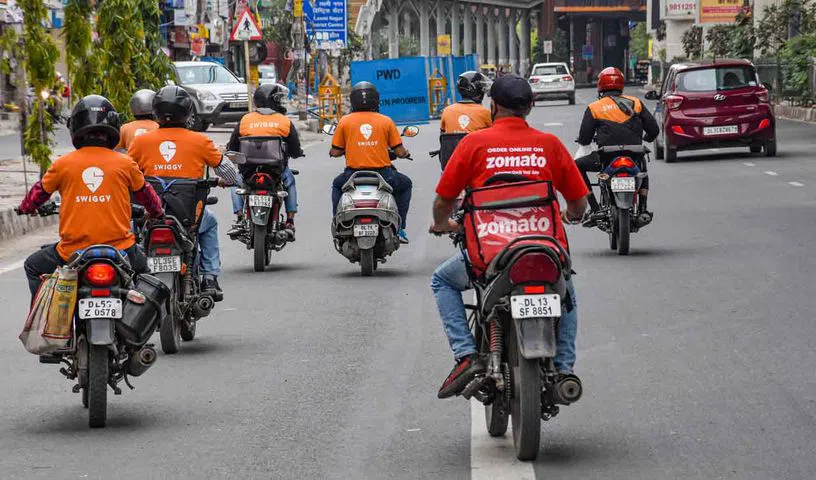
India’s gig workforce–expected to cross 2.35 crore by 2029–30–occupies a legal grey zone. Since they are not classified as employees, minimum wage laws, provident fund contributions, paid leave, medical insurance, and accident compensation largely do not apply. The government’s effort to ensure welfare and security for this expanding category of workforce is still a work in progress. At a time when there are expectations of foolproof policy interventions, India’s decision to abstain from voting on the International Labour Organisation’s (ILO) convention on “Decent Work in the Platform Economy” has raised concerns over its commitment to the welfare of gig workers. The ILO convention, abstained from by 36 countries including India, was meant to regulate platform and gig economy work through enforceable international obligations. Despite being a member of the ILO, India’s abstention fits a longer pattern of caution toward binding international labour obligations that domestic courts could enforce. The argument in favour of abstaining from the convention is that it preserves policy flexibility to design a classification framework suited to India’s own labour-market realities rather than a one-size-fits-all binding test. Also, such a stance will help avoid premature binding commitments while domestic law–the Code on Social Security–is still being operationalised. It also avoids potential litigation risk or court-enforced reclassification of gig workers as employees, which could raise costs for platforms and potentially reduce flexibility and entry-level job creation in a sector adding jobs quickly. India’s position also aligns with concerns, shared by the United States, that rigid international standards may not keep pace with a fast-evolving digital economy.